


Average Sex Time: What’s Normal in Bed?
Table of Contents The Quick Answer What Average Sex Time Actually Measures W
Read more
The Butterfly sex position sounds acrobatic, but its appeal is surprisingly practical. It is a face-to-face, edge-of-the-bed position that allows partners to change their distance, pelvic height and leg placement without continuously shifting the whole body. Done comfortably, it can offer eye contact, easy communication and considerable control over the angle of penetration.
The detail that matters most is not how high someone can lift their legs. It is whether both partners feel supported and can make small adjustments without strain. Think of Butterfly as an adjustable setup rather than a pose you must hold perfectly.
Butterfly is a variation of face-to-face sex in which the receiving partner remains supported on a mattress whilst the other partner approaches from the bedside. Instead of lying directly on top, the upright partner has room to adjust their stance. That difference can make it easier to change contact and penetration angle without asking the person on the bed to carry extra weight.
The name is used inconsistently across guides. Some descriptions show knees bent and opened to the sides; others feature both legs elevated. Both can fall under the broader Butterfly setup. The exact appearance is less useful than the shared idea: a supported pelvis, an accessible bed edge and adjustable legs.

One partner reclining near the mattress edge; the other standing or kneeling.
Beginner-friendly in the bent-knee version; more demanding with elevated legs.
Small height and distance adjustments can make a noticeable difference.
A bed that is too high or too low for the partner alongside it.
Both are face-to-face, but traditional missionary normally involves more of the partners' bodies resting together on the mattress. Butterfly places one person close to the bed's edge, making the space outside the bed part of the setup. That creates additional room for standing, kneeling and changing leg position.
It can allow a more direct or deeper-feeling angle for some couples, but depth is neither guaranteed nor compulsory. The shape of each person's body, the bed height and the distance between partners matter more than the name of the position. An easier, shallower variation may be more enjoyable than the dramatic version.
Set up the space before you move into position. Choose a mattress that supports the hips firmly enough to prevent sliding, and clear the floor beside the bed so the upright partner has stable footing.
The reclining partner lies comfortably on their back, with their hips close to the edge but not hanging unsupported. They should be able to shift away from the edge without help.
Keep the legs in a natural, easy position rather than attempting a straight-leg stretch. The partner on the bed can adjust their knees independently and should never feel that they are being held in place.
The other partner faces the bed and chooses standing or kneeling according to mattress height. Before any penetration, both people should feel stable and able to communicate without awkward reaching.
If penetration is part of the plan, align slowly and agree on a comfortable starting depth. A small adjustment to distance or pelvic position is usually more useful than pushing through an awkward angle.
Use unhurried, controlled movement and ask whether the angle feels comfortable. Increase movement only if both partners actively want that change.
Once the basic position feels easy, one or both legs can be lifted slightly. The reclining partner should be able to lower them promptly and without having to struggle against the other person's weight.
A higher mattress may suit standing, provided the upright partner does not have to rise onto their toes. A lower mattress often makes kneeling more comfortable. Try both approaches before assuming Butterfly simply does not suit your height difference.
A kneeling partner may need knee cushioning. If the floor is slippery or the support compresses unevenly, change the arrangement instead of trying to balance through it.
A small, firm positioning cushion beneath the hips can change the contact angle. Too much elevation, however, can make the pelvis unstable or create unwanted pressure. Start without a cushion and add only enough height to solve a specific problem.
Lifting the legs changes how the pelvis tilts and how easily the receiving partner can move. For some people that increases the sensation of fullness; for others it causes uncomfortable stretching. Keeping the knees bent is a completely valid choice, not a lesser version of Butterfly.
| What You Notice | Possible Reason | Try This First | Avoid |
|---|---|---|---|
| Standing partner is stooping | Mattress is too low | Switch to a supported kneeling stance | Holding a deep squat throughout |
| Angle feels too intense | Legs are raised or hips are tilted too far | Bring knees lower and reduce movement | Trying to tolerate pain |
| Partner on bed keeps sliding | Support is too soft or the edge is unstable | Move farther onto a firmer section of mattress | Letting the pelvis hang off the edge |
| Legs tire quickly | They are being held too high for too long | Bend knees, rest feet or lower one leg | Locking the knees straight |
| It is hard to stay aligned | Different body heights or too much distance | Recheck stance and close the gap gradually | Using more force to correct alignment |
Both knees stay bent, and the legs rest comfortably to either side. This is the most sensible entry point for couples unfamiliar with the position, especially if either person prefers not to stretch their hamstrings.
Use a firm, modest cushion to lift the pelvis slightly while the mattress continues to support body weight. It is worth exploring when the partners' heights do not align easily, but it should never make the reclining partner feel perched or unstable.
Raise one leg while the other stays comfortably bent. This can offer a different angle without requiring both hips to move identically. If the torso twists uncomfortably, return both legs to a neutral position.
One or both legs may rest on the upright partner's shoulders if the reclining partner has the flexibility and genuinely enjoys it. Support is different from pressure: the shoulders should not push the knees towards the face, and the receiver must be able to ask for their legs to be lowered immediately.
Instead of standing, the partner beside the bed kneels on stable padding. This can keep both bodies at a comfortable height on a lower mattress and is often less tiring than attempting to maintain a bent-over standing posture.
The open body position is not everyone's favourite. Keeping the knees lower, pulling a lightweight cover nearby or choosing a more closely held position may feel better. Confidence is not something a partner should have to perform on demand.
Change the stance, shorten the time spent in the position or swap to kneeling. The person standing should not need to brace their full weight against the reclining partner's knees or thighs. If neither stance is comfortable, another position is a better choice.
Pause and reset with both knees bent. Agree on one change at a time: distance, cushion height or leg position. Constantly changing all three can make it harder to work out what was helping.
The basic setup requires far less mobility than the legs-over-shoulders version. Relaxed knees and a comfortable bed height are usually enough to explore the idea. Anyone dealing with ongoing hip, back or pelvic pain should avoid movements that aggravate symptoms and seek appropriate medical advice.
Because the partners can see one another, Butterfly works well for checking in without breaking the moment. A short question about comfort or pressure is often more useful than guessing. The reclining partner can guide the angle through their own leg position, while the partner alongside the bed can adjust stance and distance.
Penetration is not the only way to enjoy the position. Depending on comfort and available space, either partner may use a hand or a small external vibrator. If a compact toy would be useful, explore VenusFun UK's bullet vibrators rather than assuming a larger accessory is necessary.
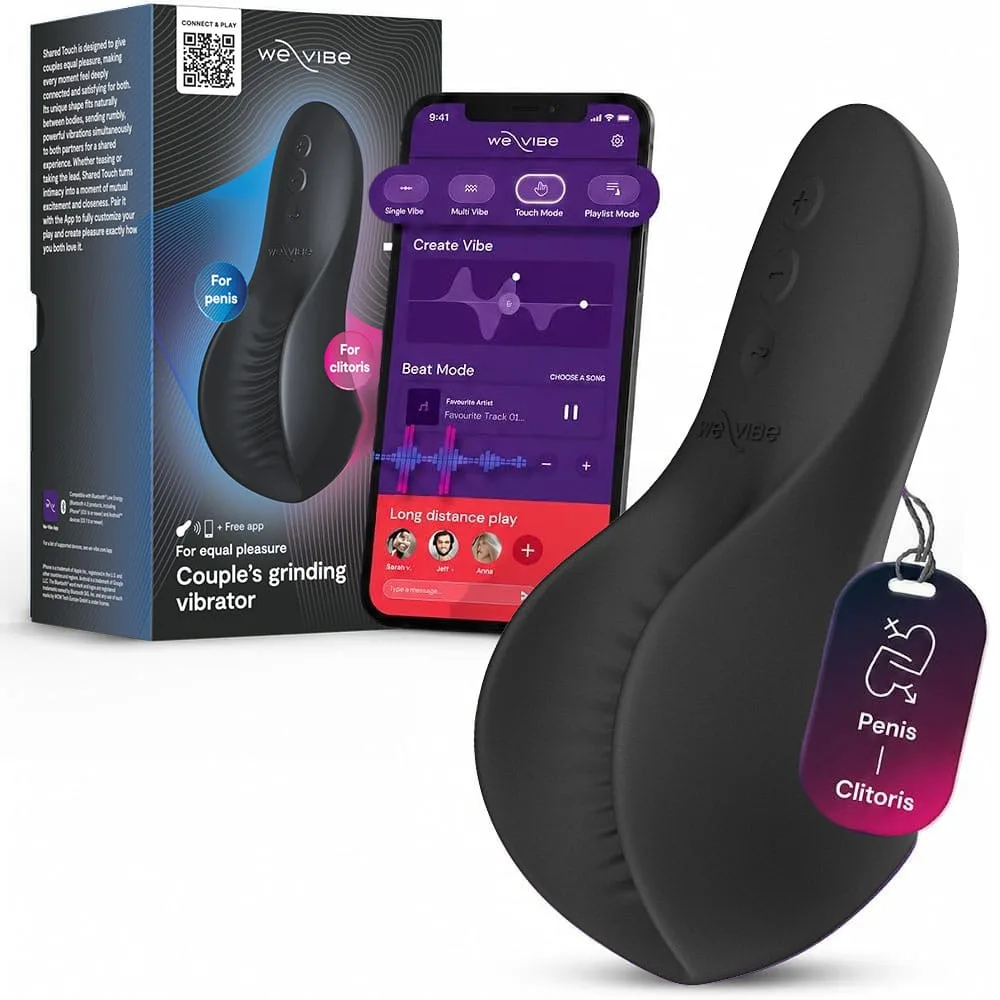
Think of the image as an example of a compact couples' accessory, not a claim that this particular product is currently stocked in the UK shop. If you prefer exploring stimulation without penetration, VenusFun UK's mutual masturbation guide offers a different approach to shared intimacy.
Appropriate lubricant can make a noticeable difference to comfort, especially if the angle requires small adjustments. VenusFun UK's lubricants and essentials category is a useful starting point. Always check compatibility with condoms and the materials of any toys being used.
Butterfly is especially practical when an edge-of-bed setup helps with alignment. If the aim is a more closely folded face-to-face arrangement, read the Mating Press position guide. Its pressure points and support needs are different, so it should not be treated as an interchangeable name for Butterfly.
Partners should agree on what they want to try and keep the option to stop or change the setup at any time. The receiving partner must never be pinned against the edge of the bed or have their legs pushed beyond a comfortable range. Check that neither person's neck, back or joints are under strain.
The Butterfly position does not itself prevent pregnancy or sexually transmitted infections. The NHS guide to condoms recommends using a new condom each time and avoiding oil-based lubricants with latex condoms. Water-based and silicone-based lubricants are generally compatible with latex condoms, although toy-material compatibility is a separate consideration.
Stop immediately for sharp or persistent pain, numbness, dizziness, loss of balance or unwanted pressure. If a symptom continues after stopping, seek appropriate medical advice. Sexual activity should never depend on ignoring discomfort or overriding a partner's decision to pause.
Often, yes. Use a supportive bed, keep knees bent and choose a comfortable standing or kneeling height. You do not need to raise the legs onto the shoulders to try the basic position.
No. Both legs can stay bent and low, or one can be raised slightly. Leg height is an optional adjustment rather than a requirement.
Yes, though the partner beside the bed may find kneeling easier than standing. Add stable knee cushioning and make sure the bodies align comfortably before proceeding.
No. Depth varies with individual anatomy, stance, mattress height, pelvic tilt and movement. Shorter movements and lower legs can make the angle gentler.
A small, firm pillow can sometimes help alignment, but it is not essential. Avoid unstable stacks that make the pelvis slide or leave the hips unsupported.
Stop, lower the legs and change the setup. Do not force a stretch or continue through pain. Seek medical advice if symptoms are persistent or concerning.
External stimulation can be an option when both partners are comfortable and there is sufficient space. Start with a simple setup, and check that any toy and lubricant are used according to their instructions.
No. Use appropriate contraception and barrier protection as relevant. Follow NHS condom guidance and check lubricant compatibility.
By venusfun01VF
- Oct 27, 2026
- 0 Comments


Table of Contents The Quick Answer What Average Sex Time Actually Measures W
Read more
Table of Contents Classic Straddle Low Lean Seated Straddle Reverse Straddle
Read more
Adult wellness note: This guide is for consenting adults and general sexual w
Read more
Disclaimer: This article is for adult entertainment only It has no medical r
Read more
Table of Contents Is It Worth Buying? Design and Appea
Read more
To learn how to goon, think less about reaching a special trance and more abo
Read more
To clone a pussy usually means creating a physical copy of the visible vulva
Read more
Table of Contents The Practical Overview How Tail Plugs Are
Read more
The mating press position is a close, face-to-face variation of missionary in
Read more
If you want to increase girth size permanently, the honest answer is simple:
Read more
A rose toy looks soft and pretty, but the sensation can feel very different f
Read more
The Lovense Max 2 is worth buying if you want a male masturbator with strong
Read more
What Is a Pocket Pussy? A pocket pussy is a male masturbator made to feel mor
Read more
Squirting may happen when arousal, pressure on the front vaginal wall, and pe
Read more
Mutual masturbation means sharing self-pleasure with a partner, either by tou
Read more
Table of Contents Quick Verdict: Is Lovense Edge 2 Worth It? What Is the Lov
Read more
Sissification is a consensual adult kink or role-play practice where someone
Read more
VenusFun UK Guide How to Put on a Cock Ring Safely Put a cock ring on while t
Read more
Table of Contents What Is the Lovense Diamo? Quick Verdict: Who Diamo Is Bes
Read more
Table of Contents Quick Picks Finger Vibrator Comparison Venusfun Silicone F
Read more
Forniphilia is a BDSM practice where a consenting submissive is positioned, r
Read more
Anal fisting is often viewed as one of the most advanced forms of anal play
Read more
If you are looking up the Lovense Ferri, you probably want one answer before
Read more
Sissy chastity is not just about denial For many wearers, it is also about p
Read more
For many enthusiasts, a realistic dildo is only the beginning of the fantasy
Read more
For most people, the goal of sex is a climactic, explosive finish But in the
Read more
Many men want to know how to fuck a girl in a way that creates an unforgettab
Read more
In the world of modern intimacy, comfort is often the bridge to deeper connec
Read more
In the world of teledildonics, the Lovense Hush 2 stands out as a sophisticat
Read more
While the world of BDSM often focuses on the sharp edges of discipline, there
Read more
A dildo is already one of the most versatile toys out there, but once you add
Read more
When people first hear the term ass worship, they often assume it’s just anot
Read more
While often discussed in the context of male pleasure and prostate massage, a
Read more
In the heat of the moment, when your partner is seconds away from finishing,
Read more
Choosing the right blowjob machine isn't just about finding something that vi
Read more
There is something primally magnetic about the great outdoors If you’ve spen
Read more
Let’s be real: sometimes you’re in a pinch, curious about new sensations, or
Read more
Understanding the natural scent and taste of your body is a vital part of sex
Read more
Anilingus goes by many names Rimming, salad tossing, eating ass, peach munch
Read more
If you are on a quest for the ultimate climax in the UK, navigating the sea o
Read more
If you are looking to enhance your sexual stamina and provide additional stim
Read more
Whether you're looking to enhance pleasure, alleviate postpartum or menopausa
Read more
Understanding male anatomy often feels like navigating a maze of locker-room
Read more
In the Venusfun testing lab, we have put more butt plugs through their paces
Read more
Mastering the art of fellatio involves much more than repetitive physical mov
Read more
If you are on a quest for the ultimate climax, you have likely come across th
Read more
Ever thought about making a mould of your own penis? Believe it or not, you c
Read more
Most guys treat attraction like a transaction They think if they put in enou
Read more
A pussy pump or clit pump might sound super scary at first, but they are actu
Read more